Best Places to Visit in Chitwan: Wildlife, Nature and Cultural Attractions
Introduction
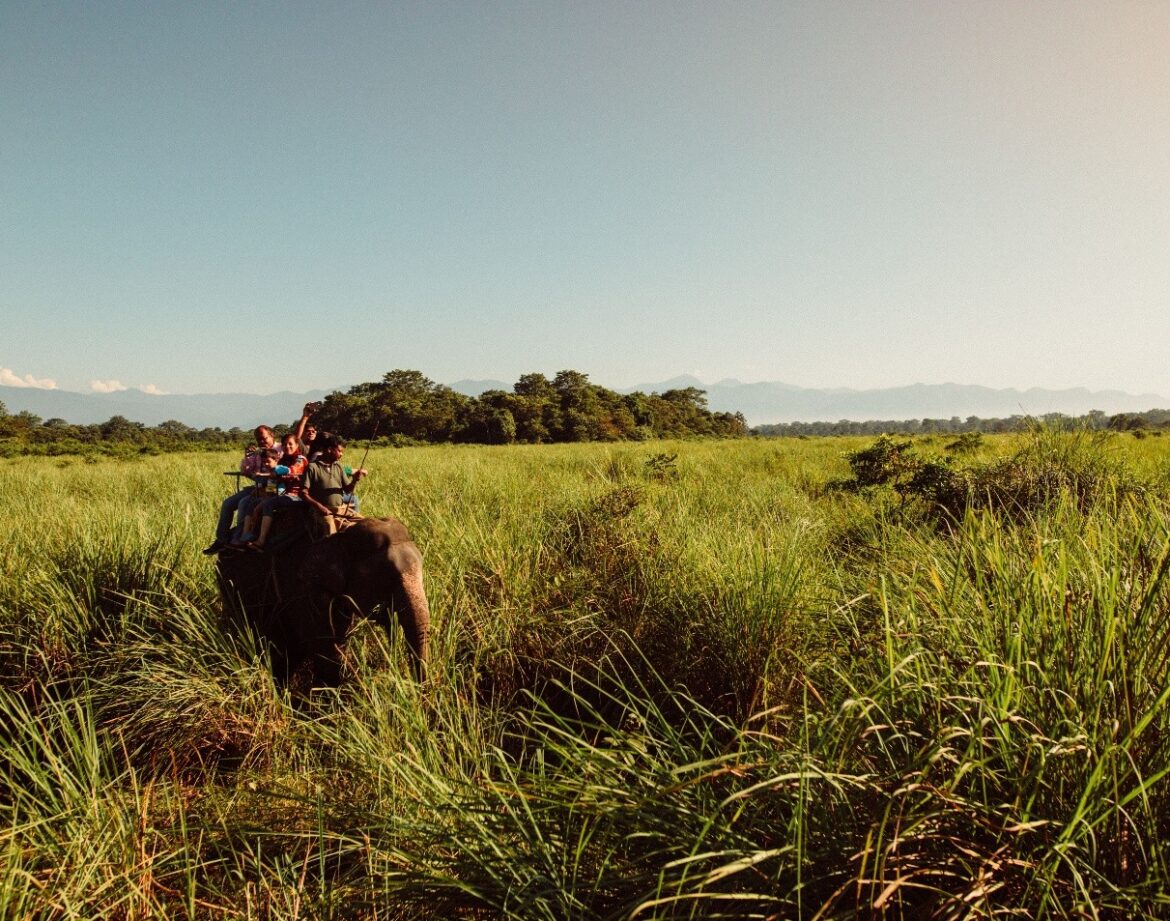
While most visitors head to Nepal for the Himalayas, the low-lying jungles of Chitwan offer a completely different side of the country — one of rhinos, riverboats, and dense sal forest rather than snow peaks. This guide covers the best places to visit in Chitwan, from the national park’s core wildlife zones to the Tharu villages that give the region its cultural character, along with practical tips on the best time to go, how to reach the area, where to stay, and what to budget.
Why Visit Chitwan?
Chitwan National Park was established in 1973 as Nepal’s first national park and is now a UNESCO World Heritage Site, protecting a stretch of grassland, marsh, and sal forest in the country’s southern Terai region. It’s home to one of the last populations of the Indian one-horned rhinoceros, along with elephants, gharial and mugger crocodiles, an elusive po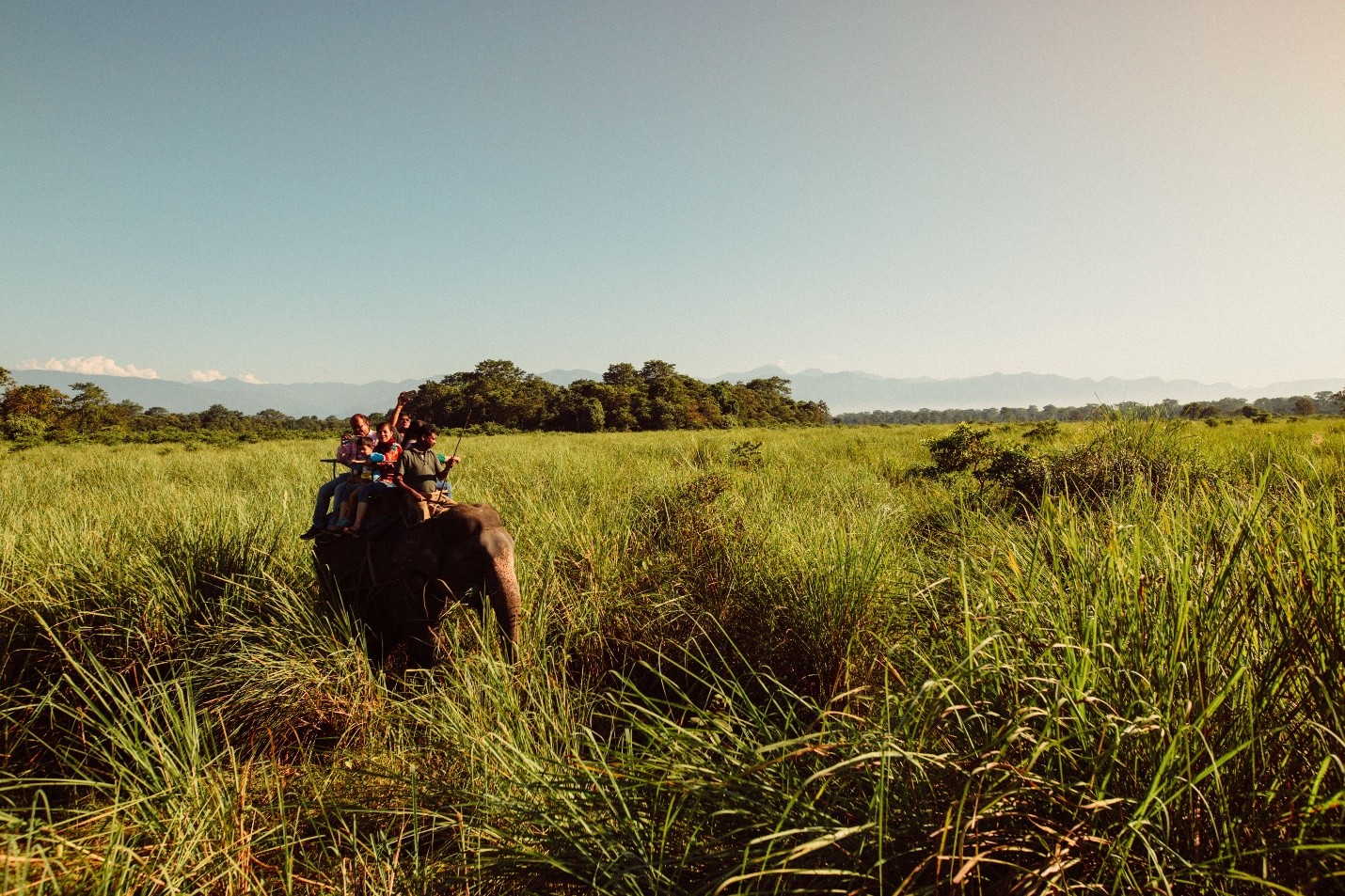 pulation of Bengal tigers, and several hundred bird species . Beyond the wildlife, the region is also home to the Tharu people, an indigenous community whose villages, food, and traditional dance add a rich cultural layer to a Chitwan visit.
Best Places to Visit in Chitwan
Chitwan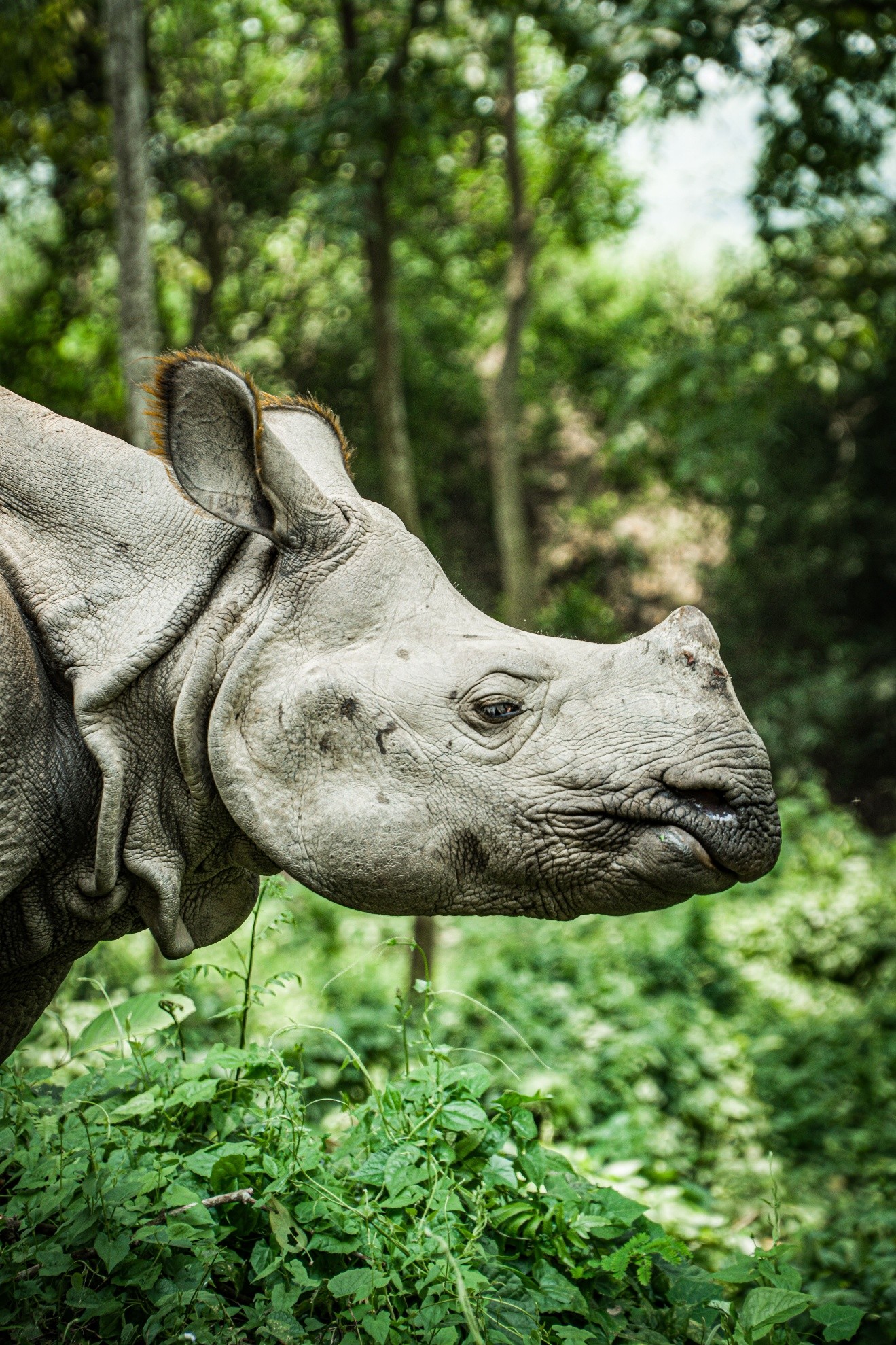 National Park (core zone): The heart of any visit, reached by jeep, boat, or on foot with a guide, where you have the best chance of spotting rhinos, deer, and if you’re fortunate, a Bengal tiger.
Sauraha: The main gateway village to the park, with a lively mix of guesthouses, restaurants, and tour operators. It’s also known for its riverside sunset point, a popular spot to end the day.
Bishazari Tal (20,000 Lakes): A wetland system in the park’s buffer zone, well known for birdwatching, with sightings of deer and crocodiles also common around its waters.
Gharial Breeding Centre: Located near the park headquarters at Kasara, this centre is dedicated to the conservation of the endangered gharial crocodile, and lets you see individuals of different ages up close.
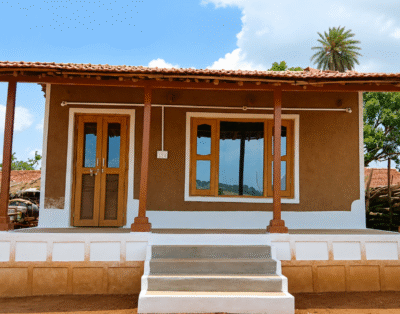
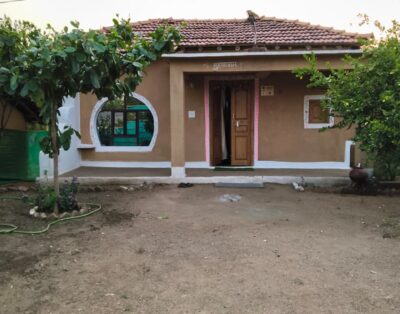
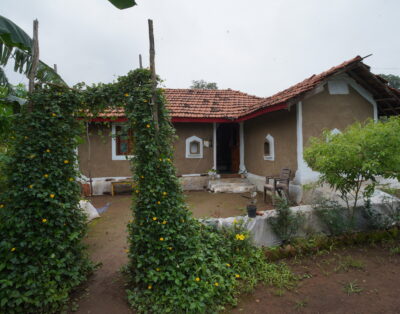
Tharu Cultural Museum and Tharu Villages: A window into the traditions of the indigenous Tharu community, including their architecture, way of life, and traditional stick and peacock dance performances often held in the evenings.
Devghat: A sacred site where two rivers meet, dotted with temples and ashrams, and a meaningful stop for travellers interested in the region’s spiritual side.
Things to Do in Chitwan
A jeep safari or guided jungle walk through the park is the main draw here, offering the best chances of spotting rhinos and other wildlife, while a canoe ride along the Rapti or Narayani River adds a quieter, slower way to see the landscape and its crocodiles and birdlife. Many visitors also spend an evening watching a Tharu cultural dance performance, and some choose to stay in or visit a Tharu village to learn more about the community’s traditional lifestyle.
Best Time to Visit Chitwan
October to March, the dry winter season, is generally considered the best time to visit Chitwan, with cooler temperatures, clearer skies, and better chances of wildlife sightings as animals gather near water sources. The monsoon months, roughly June to September, bring heavy rain and higher river levels, which can make safaris and canoe rides less predictable, so it’s best to plan around the drier months if wildlife viewing is your priority.
How to Reach Chitwan
By Air: Short flights connect Kathmandu to Bharatpur Airport, the nearest airstrip to the park, making this the quickest option if you’re short on time.
By Train: Nepal doesn’t have a significant passenger rail network connecting to Chitwan, so most travellers rely on flights or road transport instead.
By Road: Chitwan, and specifically the gateway town of Sauraha, is generally reachable from Kathmandu by road in around 4–6 hours, with regular tourist buses and private vehicles making the journey; Pokhara is also connected by road.
Where to Stay in Chitwan
Sauraha has accommodation for every budget, from simple guesthouses to more upscale jungle lodges, with a smaller, quieter set of options around Meghauli on the park’s western edge. Travellers looking for a more local and authentic experience can consider homestays or local accommodations through platforms such as GramStay, which can be a good way to stay with a Tharu family and experience the region’s culture more directly.
Estimated Travel Budget
As a general guide, budget guesthouses in Sauraha typically start from a modest nightly rate, while mid-range lodges and more upscale jungle resorts cost progressively more, with lodges inside the park’s buffer zone priced well above those in the village. Safari packages combining a jeep ride, canoe trip, and jungle walk are usually sold together and can add up over a multi-day stay. Park entry fees vary by nationality, with SAARC visitors, including Indian travellers, generally paying a different rate to other international visitors, so it’s worth checking current fees with your accommodation or tour operator before booking.
Travel Tips for Chitwan
- Book safaris and wildlife activities through reputable, locally reviewed operators rather than the cheapest option available.
- Look into the welfare practices of any elephant-related activity before booking, since animal welfare standards vary, and observation-based experiences are generally considered a more responsible choice than elephant rides.
- Pack insect repellent and neutral-coloured clothing for jungle walks and safaris.
- Always follow your guide’s instructions closely during jungle walks, since this is genuinely wild terrain.
- Respect Tharu community customs if visiting a village or homestay, and ask before photographing people.
- Indian nationals typically don’t need a visa to enter Nepal, though it’s worth confirming current entry requirements before you travel.
Frequently Asked Questions
What is Chitwan famous for? Chitwan is famous for being Nepal’s first national park and a UNESCO World Heritage Site, known for its population of one-horned rhinos and rare Bengal tigers.
How many days are enough for Chitwan? Two to three days are generally recommended to properly cover jungle safaris, a canoe ride, and some cultural experiences with the Tharu community.
Is Chitwan suitable for budget travellers? Yes, Sauraha has a wide range of budget guesthouses and affordable safari packages, making Chitwan accessible on a modest budget.
What is the best time to visit Chitwan? October to March, the dry winter season, is generally the best time to visit for comfortable weather and better wildlife sightings.
Final Thoughts
Chitwan offers a side of Nepal that’s easy to overlook if you’re only thinking mountains — a place where jungle safaris, riverside sunsets, and Tharu culture come together in one relatively compact region. It suits wildlife lovers, families, and travellers looking to combine nature with genuine cultural exchange. If you’d like a closer, more local experience of the region during your stay, exploring homestay options through GramStay is worth considering.
By Dev Banerjee